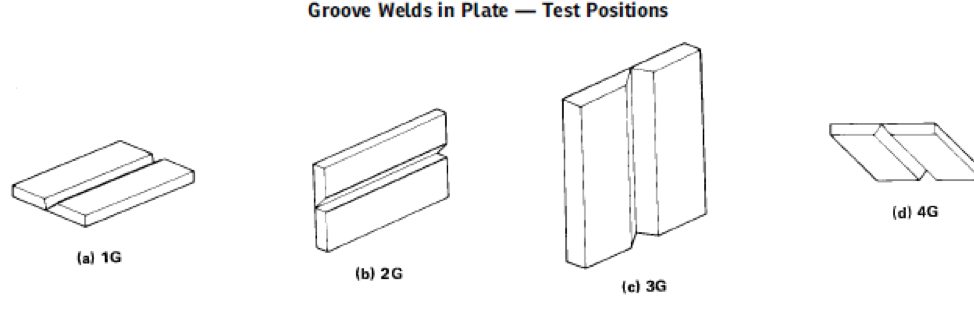
Welders range of base materials qualified

Welders range of base materials qualified
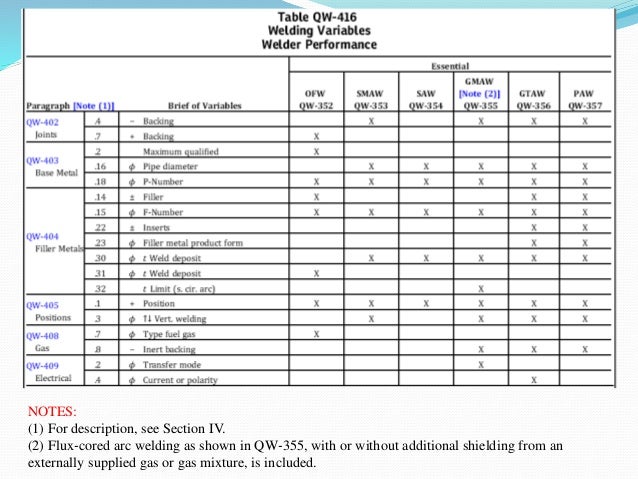
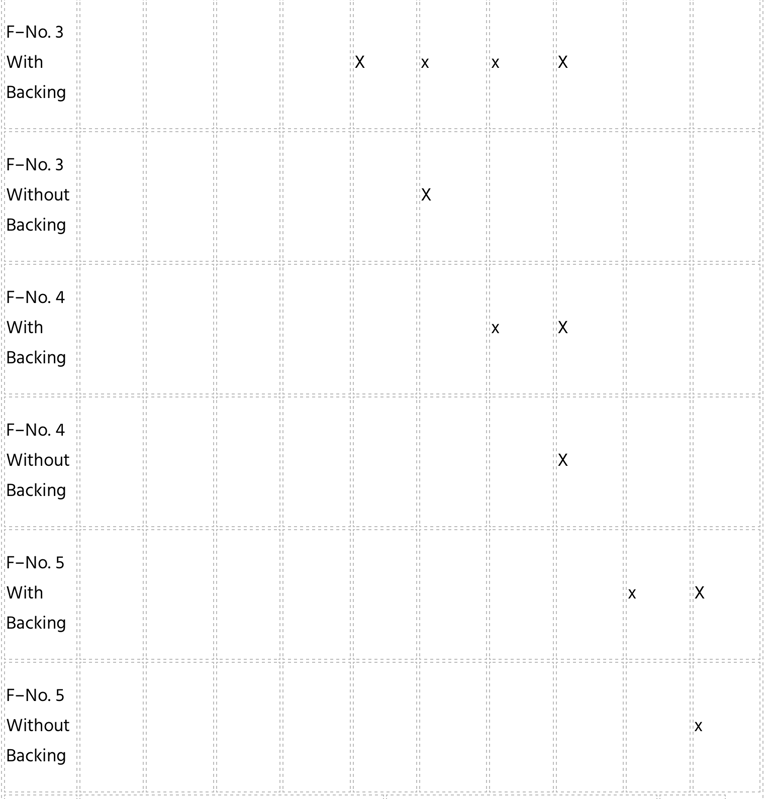
Weld Filler Material Chart
Lincoln® ER320LR from Lincoln Electric is typically used for welding base metals with similar compositions including alloy 20. Lincoln® ER320LR We use cookies to help our website work more effectively and efficiently, and to align our services and advertisements to your needs. ERNiCrMo-3 is used for Gas Metal Arc Welding (GMAW) and Gas Tungsten Arc Welding (GTAW) of Inconel 601, Inconel 625, Incoloy 825 and a range of high alloy austenitic and super austenitic stainless steels. Dissimilar welding applications includes joining Inconel alloys, Incoloy alloys, low-alloy steels, stainless steels and carbon steels. For Non-impacted test applications only, filler metal classification within an SFA specification, with the same F-number and the same A-number and the same minimum tensile strength and the same nominal chemical composition can be used in WPS. (ASME Section IX, QW-250) All Positions for Plate or Pipe. (5 mm) Min., 2T Max.
What Is Filler Metal F Number
I have read through the above referenced thread and a few others, to try and get an understanding of the range of base materials the welder can qualify for. I just can't get my head around what the ASME IX code is stating.
As I am quite a new person to the code, Could one of the experts on this forum try to explain it to a block head like me?
For example. If a welder joins a P1 material to another P1, then (with reference to QW 403-18 and QW 423-1) what range of base materials is the welder qualified for. If you could explain how you derive the answer in simple terms for a newbie like me I would be most grateful.
http://www.eng-tips.com/
Thank you,....
DeanIEng